For decades, Google has been the uncontested leader in the search engine space. However, in 2025, the digital landscape is shifting. Google’s dominance is showing signs of erosion, and new AI-powered “Answer Engines”—like Perplexity AI, Bing Copilot, and You.com—are gaining user trust by providing instant, conversational answers rather than just a list of links.
This evolution in search behavior demands a significant shift in SEO strategy. Traditional approaches that focused solely on Google’s algorithm updates are no longer sufficient. To stay competitive, businesses must diversify their SEO efforts and understand how to optimize for these emerging platforms.
The Changing Search Landscape
1. Declining Google Market Share
Recent data shows that Google’s market share is slowly declining, especially among younger demographics and tech-savvy users. Alternative platforms that prioritize AI-generated answers are seeing increased adoption.
- Users are turning to tools like Perplexity.ai for research and summaries.
- Bing Copilot, with deep integration into Microsoft products, is becoming the default for many professionals.
- These platforms offer a faster, answer-first experience that appeals to modern users.
2. Rise of Answer Engines
Unlike traditional search engines, Answer Engines focus on delivering direct answers, often synthesized from multiple sources in real time using large language models (LLMs).
Key Features:
- Context-aware answers, not just keyword matches
- Conversational interfaces
- Minimal user effort to find information
Why This Matters for SEO
- Less traffic from Google: As users spend more time on AI tools, fewer organic visits come from Google.
- New rules of visibility: Answer Engines may or may not cite your website, making traditional CTR metrics less reliable.
- More competition for authority: Only high-trust, high-quality sources are used to generate answers in these engines.
How to Adapt Your SEO Strategy
1. Expand Beyond Google SEO
Relying only on Google is now a vulnerability. Start optimizing for visibility across a wider ecosystem of search and AI platforms.
Steps to Take:
- Audit where your content appears outside Google (e.g., Perplexity, Copilot).
- Research how these platforms source and evaluate content.
- Diversify your traffic sources (social search, AI summaries, email, etc.).
2. Focus on Content That Gets Used by AI
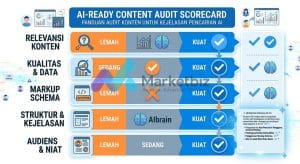
AI engines prefer fact-based, structured, and concise content that can be easily interpreted by machines.
Prioritize:
- Definitions, data points, lists, summaries
- Authoritative articles with references
- Expert-authored content with clear credibility markers
3. Enhance Technical SEO for Machine Readability
Make your site easily crawlable and semantically rich so AI engines can extract meaning accurately.
Optimize:
- Use schema markup extensively
- Improve HTML structure and accessibility
- Ensure content loads quickly and is mobile-optimized
4. Build Brand Authority Across Platforms
Brand recognition is key in the AI-powered search era. Build visibility and trust across different channels, not just search.
How:
- Get mentioned in high-authority media or research platforms
- Contribute to forums and communities related to your niche
- Appear in podcasts, videos, and expert interviews
Measuring Success Beyond Google Analytics
With clicks decreasing, traditional metrics must evolve. Consider tracking:
- Brand mentions in AI tools
- Voice assistant referrals
- Traffic from non-Google platforms
- Direct and branded search growth
Conclusion
As the world moves beyond Google-centric search behavior, the role of SEO is expanding. To remain competitive in 2025 and beyond, businesses must embrace the rise of Answer Engines, adapt their content to AI-friendly formats, and build digital authority that reaches across platforms.
The future of SEO isn’t just about search rankings—it’s about being part of the answers.