For years, SEO success was easy to measure.
If your website ranked at the top of Google, visibility followed naturally. Higher rankings meant more clicks, more traffic, and usually more business opportunities.
But AI-driven search is beginning to change that relationship.
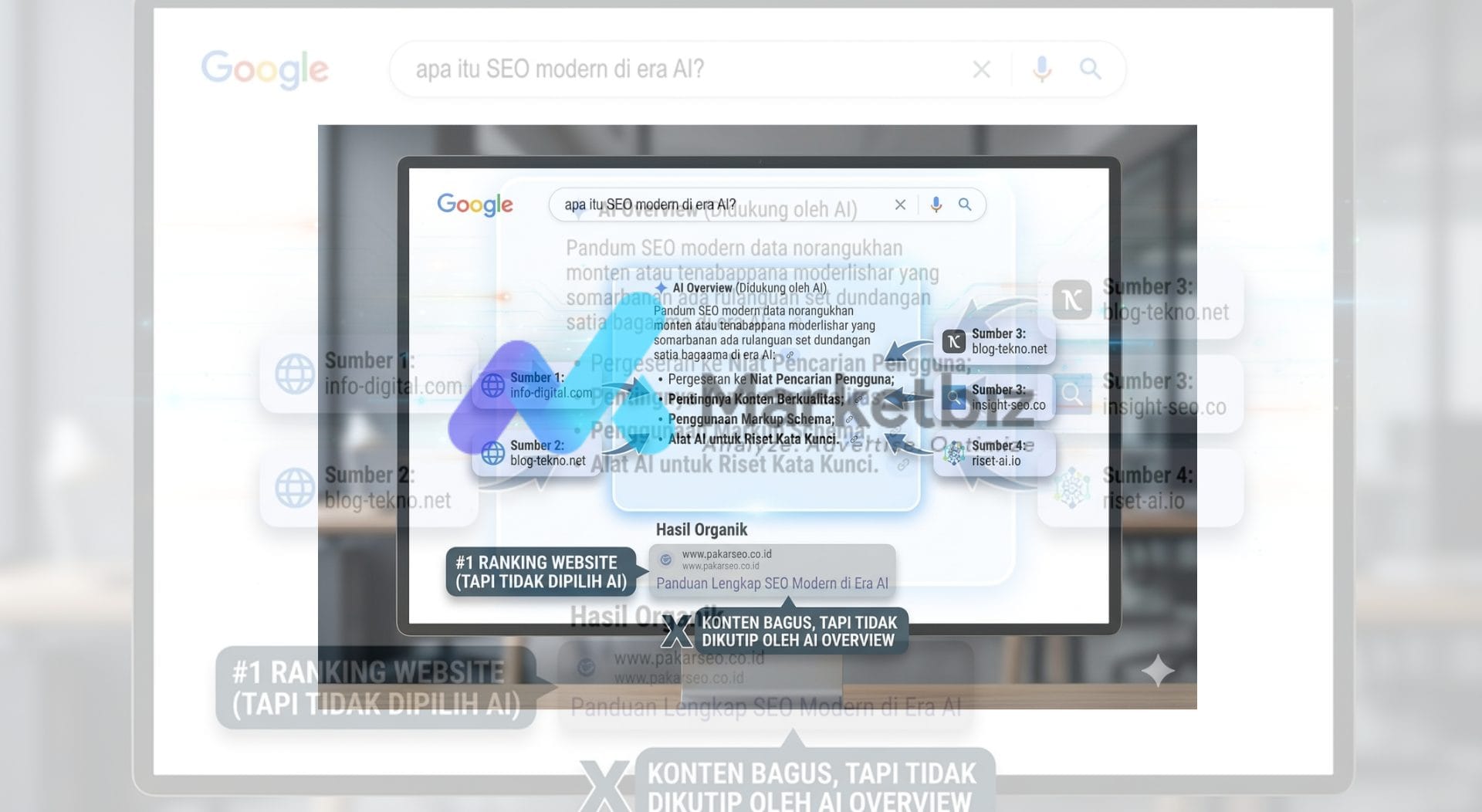
Today, some websites rank highly and still receive less visibility than expected, while other pages get referenced directly inside AI-generated answers.
So what changed?
The issue is no longer just about rankings.
It’s about whether your content is usable in an AI-driven search environment.
AI Search Doesn’t Think Like Traditional Search
Traditional search engines primarily ranked pages.
AI search systems do something different:
They assemble answers.
Instead of simply rewarding the “best page,” AI models attempt to identify:
- the clearest explanation
- the most extractable insight
- the most contextually useful response
This creates a new layer of competition that many SEO strategies were never designed for.
High Rankings Don’t Automatically Mean High Usability
A page can rank #1 because of:
- strong backlinks
- domain authority
- historical SEO performance
But that same page may still be difficult for AI systems to interpret.
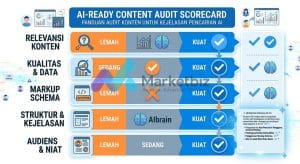
Common problems include:
- overly long introductions
- answers hidden deep within content
- weak structural hierarchy
- excessive optimization without clarity
In other words:
A page can perform well algorithmically while still performing poorly contextually.
AI Prioritizes Extractable Information
One of the biggest shifts in AI search is the importance of “extractability.”
AI systems tend to favor content that is:
- easy to summarize
- structurally organized
- direct in its explanations
- contextually focused
This is why highly structured pages increasingly outperform content designed purely for keyword optimization.
The Real Shift: From Ranking Pages to Supplying Answers
Many SEO strategies still focus heavily on ranking signals:
- keyword placement
- backlinks
- metadata optimization
Those factors still matter.
But AI search introduces a second layer:
Can your content function as a reliable answer source?
This changes how content should be written, structured, and connected across a website.
A growing number of businesses are now adapting their SEO strategies specifically for AI-driven search behavior, where clarity and structure play a larger role than before.
Smaller Websites Are Starting to Compete Differently
Interestingly, AI search can sometimes reduce the advantage of larger websites.
Why?
Because AI systems often prefer:
- focused expertise
- cleaner structure
- more direct explanations
This creates opportunities for smaller but better structured websites to appear in AI-generated search experiences, even against larger competitors.
SEO Visibility Is Becoming More Layered
Ranking still matters.
But visibility is no longer tied exclusively to ranking position.
Now there are two separate questions:
- Can your page rank?
- Can your content be used?
The second question is becoming increasingly important in AI search environments.
Conclusion
The future of SEO is not just about winning rankings.
It is about becoming usable.
As AI-driven search evolves, websites that communicate information clearly, structure content effectively, and provide extractable answers will have a stronger chance of remaining visible even as search behavior continues to change.
The real challenge today may not be whether your content can rank.
It may be whether your content is structured well enough to be understood, extracted, and reused by AI systems.
Because in AI-driven search, visibility increasingly belongs to websites that communicate with clarity, not just websites that rank highly.